
A driveway is used every day. It supports the weight of vehicles, endures changing weather conditions, and serves as one of the first features people notice when approaching a property. Over time, even a well-built driveway can develop cracks, uneven surfaces, chips, or other signs of wear that affect both its appearance and functionality. While these problems may seem minor at first, they can gradually become more serious if left untreated. Understanding Driveway Repair Nashville process helps homeowners know what to expect during a repair project and why each step is important for restoring the driveway’s safety, durability, and long-term performance.
How Does the Driveway Repair Process Begin?
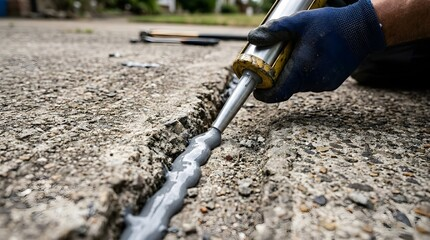
Every successful driveway repair begins with a detailed inspection of the existing surface. During this stage, the condition of the driveway is carefully evaluated to determine the extent of the damage and identify any underlying issues contributing to the deterioration. Cracks, uneven sections, drainage concerns, surface wear, and signs of settlement are all examined before a repair plan is developed. Looking beyond the visible damage allows professionals to understand why the driveway has deteriorated instead of simply treating the symptoms. A thorough assessment creates the foundation for an effective repair.
The inspection also helps determine whether the driveway is a good candidate for repair or whether more extensive work may eventually be necessary. In many situations, early damage can be corrected successfully before it spreads throughout the surface. Identifying these issues promptly allows homeowners to preserve more of the original driveway while reducing future repair costs. Careful planning at the beginning of the project often leads to better long-term results. A proper evaluation ensures the repair strategy matches the driveway’s actual condition.
How Is the Driveway Prepared for Repairs?
Before repair work begins, the damaged areas must be properly prepared. Dirt, loose concrete, debris, vegetation, and any weakened material are removed to create a clean surface that allows repair materials to bond effectively. Surface preparation is one of the most important parts of the repair process because even high-quality materials may fail if applied to unstable or contaminated concrete. Taking time to prepare the driveway correctly helps improve the durability of the finished repair. Good preparation supports long-lasting performance.
Preparation may also include evaluating drainage around the driveway and identifying areas where water may collect. Poor drainage can contribute to future cracking, settlement, and surface deterioration if left uncorrected. Addressing these contributing factors before completing repairs helps reduce the likelihood of recurring damage. Proper preparation focuses on both the visible repair area and the surrounding conditions that influence long-term performance. This comprehensive approach improves the overall quality of the repair.
What Happens During the Driveway Repair?
Once preparation has been completed, the repair work begins by restoring the damaged sections of the driveway. The specific repair method depends on the condition of the surface and the type of damage present. Small cracks may be sealed to prevent moisture from entering the concrete, while larger damaged areas may require resurfacing or structural repairs to restore strength and stability. Uneven sections may also be corrected to improve both safety and appearance. Every repair is designed to improve the overall condition of the driveway rather than simply masking visible imperfections.
Throughout the repair process, careful attention is given to maintaining consistent surface levels and proper finishing techniques. A smooth, even finish not only improves the driveway’s appearance but also helps support proper drainage and vehicle performance. Skilled workmanship ensures repaired areas blend as naturally as possible with the surrounding concrete. Every stage is completed with durability and long-term functionality in mind. Precision during installation contributes significantly to successful results.
Why Is Curing Important After Driveway Repairs?
After repairs have been completed, the repaired areas require adequate time to cure properly. Curing allows the repair materials to gain strength gradually while developing the durability needed to withstand regular vehicle traffic and environmental conditions. Although the driveway may appear finished immediately after the repair, the curing period remains an essential part of the overall process. Allowing sufficient curing time helps maximize the lifespan of the repaired surface. Patience during this stage supports stronger long-term performance.
Using the driveway too soon may place unnecessary stress on newly repaired areas before they have fully developed their intended strength. Following recommended curing guidelines helps protect the investment and reduces the likelihood of early damage. Homeowners who understand the importance of curing often achieve better long-term repair results. Every successful driveway repair continues beyond the visible construction work. Proper curing completes the restoration process.
How Can Homeowners Protect Their Driveway After Repairs?
Routine maintenance plays a major role in extending the life of a repaired driveway. Keeping the surface clean helps remove dirt, leaves, chemicals, and debris that may contribute to gradual wear over time. Promptly removing standing water and maintaining proper drainage around the driveway also helps reduce unnecessary moisture exposure. Simple maintenance habits help preserve both the appearance and structural condition of the repaired surface. Consistent care supports lasting durability.
Regular inspections also allow homeowners to identify new issues before they become major problems. Small cracks, minor settlement, or changes in drainage can often be corrected much more easily when detected early. Monitoring the driveway periodically helps maintain the quality of previous repairs while reducing future maintenance costs. Ongoing attention allows homeowners to maximize the lifespan of their investment. Preventive care remains one of the most valuable parts of long-term driveway maintenance.
What Are the Benefits of Understanding the Driveway Repair Process?
Knowing how the driveway repair process works allows homeowners to approach repairs with greater confidence and realistic expectations. Understanding each stage, from inspection and preparation to repair, curing, and maintenance, makes it easier to appreciate why quality workmanship requires careful planning rather than quick cosmetic fixes. Homeowners can better recognize the value of addressing underlying problems instead of only improving the driveway’s appearance. This knowledge supports more informed maintenance decisions throughout the life of the property. Education helps reduce uncertainty when repairs become necessary.
Understanding the repair process also encourages homeowners to respond quickly when early warning signs appear. Waiting until cracks become larger or surfaces become uneven often increases both repair complexity and long-term costs. Knowing that timely repairs preserve the existing driveway motivates property owners to address problems while they remain manageable. Early action often leads to better structural performance and lower overall maintenance expenses. Preventive maintenance begins with understanding how repairs work.
When Is It Better to Repair Instead of Replace a Driveway?
Many homeowners wonder whether repair or replacement is the better solution when damage begins to appear. In many cases, repairs are appropriate when the damage is limited to isolated cracks, minor surface deterioration, or small areas of settlement that have not affected the overall structural integrity of the driveway. Restoring these sections often extends the life of the existing surface while avoiding the expense and disruption of a complete replacement. Early repairs preserve the original driveway whenever possible. Choosing repair at the right time often provides excellent long-term value.
Replacement may become necessary when damage is widespread or the structural condition of the driveway has deteriorated beyond practical repair. However, many driveways continue performing well for years with proper maintenance and timely repairs. Regular inspections help determine when repairs remain effective and when more extensive solutions should be considered. Understanding this distinction allows homeowners to make informed decisions based on the condition of their driveway rather than appearance alone. Thoughtful planning helps maximize both durability and value.
Final Thoughts
The driveway repair process is a carefully planned series of steps designed to restore the strength, safety, and appearance of one of the most frequently used areas of a property. Beginning with a detailed inspection, followed by thorough preparation, professional repairs, proper curing, and ongoing maintenance, each stage contributes to a driveway that performs reliably for years to come. Understanding how the repair process works helps homeowners recognize the value of early intervention and quality workmanship. By addressing problems before they become more severe and maintaining the driveway after repairs are completed, homeowners can protect their investment while preserving curb appeal and long-term functionality.
Tags: