
Moving to a new space often brings a mix of excitement and anxiety, especially when it comes to transporting heavy furniture and delicate belongings. From large appliances and bulky cabinets to glass décor and sensitive electronics, the challenge lies in protecting both the items and the people handling them. Professional Movers Warren MI understand that safety is not simply about strength; it is about preparation, strategy, and experience. Their approach combines proper equipment, structured planning, and proven techniques designed to reduce risk while ensuring a smooth relocation process. For individuals preparing for a move, understanding how experts handle heavy and fragile items can offer valuable insight into why professional assistance often makes a significant difference.
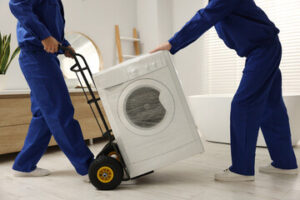
One of the key reasons professional movers excel at handling difficult items is their detailed planning process. Before a single box is lifted, movers typically assess the size, weight, and fragility of each item. This evaluation allows them to determine the safest method for lifting, packing, and loading. Instead of improvising, they rely on a structured system that prioritizes balance and stability. Planning also includes evaluating entryways, staircases, and pathways to avoid unexpected obstacles that could lead to damage or injury. This level of preparation ensures that even the most complicated items are handled with care and precision.
Proper packing techniques play a major role in safeguarding fragile belongings during transport. Professional movers use specialized materials designed to absorb shock and minimize movement inside boxes. Rather than stacking items randomly, they layer packing materials strategically to create a cushion that protects against vibration and impact. Fragile items such as glassware, artwork, or electronics are often wrapped individually to prevent contact with other objects. By focusing on protection at every stage, movers significantly reduce the likelihood of cracks, scratches, or internal damage that can occur during transit.
Heavy items, on the other hand, require a different approach focused on balance and ergonomics. Attempting to lift large furniture without proper training can lead to injuries or damaged flooring. Professional movers use lifting techniques that distribute weight evenly and reduce strain on the body. They may disassemble bulky furniture into smaller components to make handling easier and safer. This not only protects the movers but also ensures that items fit securely through narrow doorways or tight corners without causing structural damage to the property.
Another essential factor in safe moving practices is the use of specialized equipment. Professional movers rely on tools designed specifically for transporting heavy and fragile objects. Dollies, lifting straps, sliders, and protective blankets help prevent unnecessary stress on both items and movers. Instead of dragging furniture across floors or attempting to carry oversized objects by hand, they utilize equipment that provides stability and control. This approach minimizes the risk of dropping items and helps maintain a consistent pace throughout the moving process.
Loading the moving vehicle is a step where professional expertise truly stands out. Rather than stacking boxes randomly, movers follow a systematic loading strategy designed to prevent shifting during transit. Heavy items are placed first to create a stable base, while fragile items are secured in protected sections to avoid pressure from heavier objects. Strategic placement ensures that weight is distributed evenly throughout the vehicle, reducing the risk of tipping or movement while on the road. This methodical arrangement not only protects belongings but also improves efficiency during unloading.
Communication and teamwork are also essential elements of professional moving services. Handling large or delicate items often requires coordination between multiple movers, each responsible for a specific task. Clear communication ensures that everyone understands the plan before lifting begins. Movements are synchronized, reducing sudden shifts or missteps that could lead to accidents. This level of coordination allows movers to handle even the most challenging items with confidence and precision.
When transporting fragile belongings, professionals often follow a series of best practices to maximize safety:
- Individual wrapping: Each delicate item is wrapped separately using protective materials to prevent contact and friction.
- Reinforced boxes: Strong, high-quality boxes provide structural support and prevent collapse during stacking.
- Clear labeling: Fragile items are marked clearly, allowing movers to handle them with extra care during loading and unloading.
- Shock absorption: Padding and cushioning materials reduce vibration during transport, protecting sensitive surfaces and components.
In addition to physical safety, professional movers also prioritize efficiency. Time management plays a significant role in reducing stress and preventing mistakes. By following a structured timeline, movers avoid rushing, which can lead to accidents or overlooked details. They understand that careful pacing allows them to maintain focus and ensure that each item is handled properly. Efficiency is not about speed alone; it is about maintaining consistency and attention to detail from start to finish.
Handling oversized appliances presents another challenge that requires specialized expertise. Items such as refrigerators, washing machines, or large entertainment units often need to be prepared before moving. Professionals may secure loose components, protect delicate surfaces, and ensure that internal parts remain stable during transit. This preparation helps prevent mechanical damage and ensures that appliances function properly once they arrive at their new location. Without proper handling, heavy appliances can easily become a source of costly repairs or replacement.
There are several techniques that professional movers use specifically for heavy items to enhance safety and efficiency:
- Team lifting: Large objects are carried by multiple movers to distribute weight evenly and reduce strain.
- Disassembly: Furniture is taken apart when possible to make transportation easier and minimize the risk of damage.
- Protective padding: Blankets and wraps shield surfaces from scratches and dents during handling.
- Strategic placement: Heavy items are positioned carefully within the moving vehicle to prevent shifting or imbalance.
Beyond physical handling, professional movers also understand the emotional value attached to certain belongings. Fragile items often carry sentimental significance, making careful handling even more important. Movers approach these items with a heightened level of attention, ensuring they are packed and transported in a way that preserves both their physical condition and their emotional value to the owner. This attention to detail helps build trust and confidence throughout the moving process.
Preparation of the moving environment is another crucial step that professionals never overlook. Clearing pathways, protecting floors, and securing doors or railings help create a safe workspace. By minimizing obstacles, movers reduce the risk of tripping or dropping items. This level of preparation also helps maintain the condition of both the old and new spaces, preventing scratches, dents, or other forms of property damage.
Technology has also influenced the way professional movers handle heavy and fragile items. Inventory tracking systems, digital checklists, and planning tools help movers stay organized and ensure that nothing is overlooked. These tools allow movers to monitor the progress of the move, track valuable items, and maintain clear communication throughout the process. By integrating technology into their workflow, movers enhance both efficiency and accuracy.
Another aspect that sets professional movers apart is their focus on risk management. They anticipate potential challenges, such as tight corners or uneven surfaces, and adjust their strategies accordingly. Instead of reacting to problems as they arise, they plan to avoid them entirely. This proactive approach reduces stress and helps maintain a smooth, controlled moving experience.
While some individuals may consider handling heavy and fragile items on their own, the risks often outweigh the potential savings. Without proper training or equipment, even a small mistake can lead to injury or costly damage. Professional movers bring experience, tools, and structured processes that make the entire relocation safer and more efficient. Their expertise allows homeowners and renters to focus on settling into their new space rather than worrying about the logistics of transporting difficult items.
In conclusion, the safe handling of heavy and fragile items requires more than physical strength—it demands planning, skill, and attention to detail. Professional movers combine strategic packing, specialized equipment, and coordinated teamwork to ensure that belongings arrive in excellent condition. From careful preparation and protective materials to organized loading and risk management, every step of the process is designed to minimize stress and maximize safety.
Understanding how professionals approach the challenges of moving can help individuals make informed decisions when planning their next relocation. By relying on proven techniques and prioritizing safety at every stage, professional movers transform what could be a stressful and risky task into a structured and efficient experience. Whether transporting delicate décor or heavy furniture, their expertise ensures that every item is handled with care, precision, and respect—making the journey to a new space smoother and far more secure.