Water damage is one of the most urgent and destructive challenges property owners can face. From flooding, burst pipes, and leaking appliances to storm damage or roof failures, water intrusion can cause significant structural, cosmetic, and health-related issues. While immediate water removal is crucial, the subsequent drying process is equally important to prevent secondary damage such as mold growth, warped materials, and compromised indoor air quality. Modern Water Damage Restoration Salt Lake City relies heavily on advanced drying equipment to ensure thorough, efficient, and safe restoration. Understanding the role of this technology helps property owners appreciate the value of professional restoration services and the long-term protection they provide.
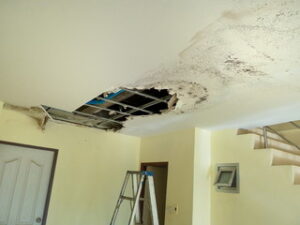
The initial response to water damage focuses on removing standing water as quickly as possible. While pumps and wet vacuums remove visible water, much of the moisture remains trapped within flooring, walls, insulation, and structural components. Traditional drying methods, such as fans and natural ventilation, are often insufficient for removing deep-seated water. Advanced drying equipment, however, uses targeted airflow, controlled humidity, and heat to extract moisture effectively from hard-to-reach areas. This precision prevents secondary damage, reduces drying time, and ensures that the property can return to a safe and habitable condition more quickly.
Industrial-grade air movers are among the most critical tools in modern water damage restoration. These devices create a high volume of airflow across wet surfaces, promoting evaporation of moisture from carpets, flooring, walls, and furniture. When strategically placed, air movers reduce drying times significantly compared to traditional fans. Their directional airflow prevents moisture from migrating to other areas of the property, which can otherwise lead to hidden damage or mold growth. The controlled and efficient movement of air ensures that every affected area receives the necessary attention during the drying process.
Dehumidifiers are another essential component of advanced drying equipment. While air movers promote evaporation, dehumidifiers remove the moisture released into the air, maintaining optimal indoor humidity levels. This balance prevents condensation on walls, ceilings, and other surfaces, reducing the risk of mold development and structural deterioration. Modern restoration projects often use industrial-grade dehumidifiers capable of processing large volumes of air, extracting hundreds of liters of moisture per day, and maintaining consistent environmental conditions throughout the restoration process. By controlling humidity, professionals ensure that water-damaged areas dry completely and safely.
Moisture detection tools are equally important in modern restoration. Thermal imaging cameras, moisture meters, and hygrometers allow technicians to identify hidden pockets of water that may be inaccessible to visual inspection. These tools guide the placement of air movers and dehumidifiers, ensuring that drying is thorough and targeted. Without such technology, water can remain trapped behind walls, under flooring, or inside insulation, leading to mold growth, structural weakening, and long-term property damage. Accurate moisture detection enables restoration professionals to tailor their drying strategy to the specific needs of each property.
Advanced drying equipment also plays a critical role in preventing secondary damage. When water is left untreated or inadequately removed, it can cause wood to warp, drywall to swell, and paint or finishes to blister. Persistent moisture can create conditions conducive to mold and bacterial growth, resulting in both health hazards and costly remediation. Industrial air movers and dehumidifiers work in tandem to stabilize environmental conditions, ensuring that materials dry evenly and retain their structural integrity. Proper drying also protects personal belongings, furniture, and valuable assets from prolonged exposure to moisture.
The efficiency of modern drying equipment translates directly into time and cost savings. In water damage restoration, time is a critical factor—the longer moisture remains in a property, the more extensive and expensive the damage becomes. By using high-capacity, technologically advanced equipment, restoration professionals reduce drying times from days or weeks to hours or a few days, depending on the severity of the incident. This rapid response minimizes disruption for homeowners or commercial property operators, allowing them to return to normal activities sooner while avoiding additional repair expenses.
Advanced drying equipment is particularly effective for large-scale or complex water damage scenarios. Commercial buildings, multi-story structures, and properties with extensive ductwork or hidden water intrusion require specialized tools to address every affected area. Equipment such as centrifugal air movers, desiccant dehumidifiers, and portable drying chambers enables professionals to reach challenging spaces, including basements, crawl spaces, attics, and wall cavities. This capability ensures that even deeply embedded water is extracted efficiently, preventing hidden damage that could compromise the property’s long-term value.
Preventing mold growth is one of the most significant advantages of using advanced drying equipment. Mold can develop within 24 to 48 hours in damp conditions, making rapid and thorough drying essential. By precisely controlling airflow, temperature, and humidity, restoration technicians create conditions that are unfavorable for mold proliferation. Additionally, some equipment includes antimicrobial treatments or ozone-based odor-neutralizing devices to further reduce microbial risks. These measures protect indoor air quality, preserve structural materials, and minimize potential health hazards for occupants.
High-tech drying systems also support content restoration. Carpets, furniture, electronics, and other valuables often absorb moisture during water intrusion events. Advanced drying equipment allows for targeted moisture extraction from individual items without causing additional damage. For example, specialized carpet drying systems lift moisture from both carpet fibers and underlying padding, preventing warping and bacterial growth. Similarly, electronics and delicate furnishings can be dried using controlled airflow and temperature settings, preserving valuable assets and reducing replacement costs.
Water damage restoration professionals also rely on monitoring equipment to track progress throughout the drying process. Sensors placed in critical areas measure humidity, temperature, and moisture levels continuously, allowing technicians to adjust airflow, dehumidification, or heat as needed. This real-time data ensures that drying is complete and consistent across the property. Property owners benefit from objective evidence that the restoration process has been thorough, which can also support insurance claims and validate the quality of service.
Investment in advanced drying equipment reflects a broader trend in modern water damage restoration: using technology to achieve faster, safer, and more effective results. Properties restored with industrial-grade tools experience fewer secondary issues, maintain structural integrity, and reduce long-term repair costs. Homeowners and commercial property operators gain peace of mind knowing that every aspect of water removal and drying has been addressed with precision, minimizing risks to both property and occupant health.
In addition to equipment, training and expertise are crucial in maximizing the effectiveness of modern water damage restoration. Professional technicians are trained to assess water types—clean, gray, or black water—and adjust drying strategies accordingly. Proper placement of air movers and dehumidifiers, selection of the appropriate drying method, and monitoring of environmental conditions all require experience and skill. Advanced equipment alone is not enough; combining technology with professional knowledge ensures optimal results and long-term protection for the property.
Energy-efficient drying solutions are also becoming a priority in modern restoration. Many industrial air movers and dehumidifiers are designed to operate with minimal energy consumption while maximizing moisture removal. This balance reduces the environmental impact of restoration activities while controlling costs for property owners. Energy-efficient systems also generate less heat and noise, providing a safer and more comfortable environment during the drying process.
Restoration projects frequently integrate drying equipment with other mitigation measures, including water extraction, debris removal, antimicrobial treatments, and minor repairs. The comprehensive approach ensures that water damage is addressed holistically. By removing moisture, disinfecting surfaces, and restoring structural elements, property owners achieve long-term protection, reduced risk of recurrence, and improved indoor air quality. This multi-step process demonstrates the value of investing in professional services equipped with advanced technology.
The benefits of advanced drying equipment extend to insurance and documentation purposes. Many insurance policies require proof of mitigation and restoration to process claims. Using high-tech equipment allows restoration professionals to provide detailed reports, including moisture readings, drying times, and environmental conditions. This documentation supports insurance claims, ensuring that property owners receive appropriate coverage for repairs, content restoration, and associated costs. Comprehensive records also provide reassurance that the restoration process was performed correctly and thoroughly.
Preventive strategies complement advanced drying efforts. Property owners can take steps such as regular maintenance of plumbing systems, installation of water detection devices, and addressing roof or foundation vulnerabilities. These measures reduce the likelihood of future water damage, allowing the advanced equipment to be used primarily for emergencies rather than recurring issues. By combining preventive actions with rapid, technology-driven restoration, property owners maximize the protection of both their investment and their living or working environment.
In conclusion, advanced drying equipment is a cornerstone of modern water damage restoration. Industrial air movers, dehumidifiers, moisture detection tools, and monitoring systems enable thorough, efficient, and targeted removal of water from affected areas. This technology prevents secondary damage, mitigates mold growth, preserves structural integrity, and safeguards personal belongings. When combined with professional expertise, preventive strategies, and comprehensive restoration processes, advanced drying equipment ensures that properties are restored safely, quickly, and effectively.
Investing in professional water damage restoration with modern equipment is more than a short-term solution—it is a long-term safeguard. Property owners benefit from reduced repair costs, improved indoor air quality, preserved structural integrity, and peace of mind. Rapid, precise, and technologically advanced drying methods prevent further damage and provide confidence that the property will remain safe, healthy, and valuable for years to come. Advanced drying equipment transforms water damage restoration into a proactive, effective, and reliable process, reflecting the modern standard for property protection and resilience.