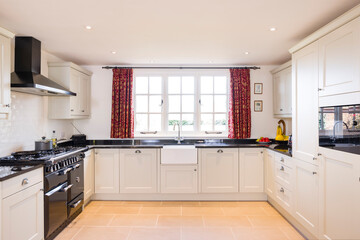
Many homeowners struggle with how to modernize their kitchens without spending a fortune. Cabinet painting is a powerful solution that can transform the space for a fraction of replacement costs. However, it’s important to understand the pros and cons of painting cabinets before you take on this project. Read on to learn more.
Cost
Modesto Cabinet Painters involves a more detailed process than regular house painting, from removing cabinet doors and hardware to sanding and priming. It also requires multiple coats of specialized paint. Choosing the right products and techniques is crucial for creating a long-lasting, professional finish. The best way to ensure your finished cabinets last is by hiring a professional cabinet painter with experience and training. A skilled cabinet painter will be able to explain their processes and provide examples of past work.
The cost of hiring a professional can be offset by the value that a well-painted kitchen adds to your home. Remodeling Magazine reports that a minor kitchen remodel can return up to 84% of your initial investment. Compared to replacing cabinets, which can cost thousands of dollars, cabinet painting is a much more budget-friendly option.
If you’re planning to sell your home in the near future, a fresh coat of paint can make your cabinets look new again and boost your curb appeal. However, DIY homeowners and inexperienced house painters often take shortcuts that can cause flaws that are costly to touch up or redo.
Some common mistakes include failing to properly clean the surface before painting (using a degreaser, denatured alcohol, or Naphtha) and not using a proper primer (such as Extreme Bond Primer), which helps the paint stick and prevents bleed-through. A lack of proper preparation also leads to chipping and peeling within a few years.
Another downside of painted cabinets is that the new paint covers up the natural wood grain, reducing the appearance of character and beauty. This can be a problem for homeowners who prefer to showcase the natural texture of their kitchen.
Considering the cost of hiring a professional, painting your cabinets may not be the most budget-friendly choice. However, if you’re looking to update your kitchen on a tight budget, it’s worth the investment to hire a professional. They can help you choose the perfect colors and finishes to ensure a long-lasting, high-quality finish that will add value to your home.
Time
Painting your cabinets is a time-consuming process. The preparation alone can take hours. You will need to clean the surfaces, remove doors and hardware and set up a work table. Then you will need to sand the cabinet surfaces to prep them for painting. This can be a messy, dusty process. Then you will need to wait for the cabinets to dry between coats.
Depending on how many coats you need, this could take days. This will cut into your time to prepare meals, clean the house and do other tasks. Fortunately, it is possible to minimize the time needed by doing some of the prep and paintwork yourself. You can also reduce the number of coats you need by using a high-quality paint.
Professional painters know all the tricks to get a smooth result with minimal brush strokes. They can even skip a topcoat in some situations. But if you go the DIY route, you will need to invest the time to learn how to properly apply the paint and to avoid common mistakes like getting the backs of the cabinets wet or leaving visible drips and runs.
Another thing to consider is how much longer painted cabinets will last compared to refacing or replacing them. Ultimately, it will be cheaper to replace the cabinets than it is to paint them, but the paint will eventually chip and peel, which can cause water damage, mold growth and other problems.
If you decide to replace your cabinets instead of painting them, this will require a much bigger investment in materials and installation costs. But it will also give you a more modern, finished look that can make your whole kitchen feel new again.
Staining brings out the grain in wood and makes it more visually interesting. But it can also highlight blemishes in the wood that are not covered by paint. This can be a drawback for some homeowners, especially if they want their cabinets to look brand new.
A stain is also more expensive than a paint, which can add up over the life of your cabinets. While it will still be less costly than replacing your cabinets, you will need to do more touch-ups and repainting over the years.
Preparation
Painting cabinets is one of those projects that seems like an easy DIY project for the homeowner. After all, it doesn’t seem to be as complex as a kitchen remodel or replacing cabinet doors altogether. However, for a job to be done well, cabinets need to be properly cleaned, sanded, and primed before any paint can be applied. Skipping any of these steps can cause your new paint to chip or peel prematurely.
The cleaning process includes degreasing the cabinet surfaces to remove any grease and oil that has accumulated over time. It also includes sanding the surfaces to smooth them out and get them ready for primer. Depending on the condition of your cabinets, this may take several rounds of sanding with increasingly fine-grit sandpaper. After sanding, the cabinets should be washed down to ensure they are clean and free of debris and dirt.
It is important to prime before you begin any painting project, especially in a high-traffic area like the kitchen. A quality primer such as KILZ 3 provides excellent adhesion to the surface, helping your new coat of paint last longer and looking better. It is also mildew-resistant, a feature that’s ideal in a moisture-prone area such as the kitchen.
Once the primer has dried, you’re ready to start applying your chosen color of paint. Make sure you use a good quality brush, as this will help to prevent any unwanted marks or lines in the finished product. If you’re not comfortable using a brush, you can always use a spray gun to apply the paint. This will also save you some time since you won’t have to wait for each individual cabinet door to dry before moving onto the next one. However, if you do decide to use a spray gun, be sure to follow all the manufacturer’s instructions and practice on an old piece of cabinetry before you begin working on your real cabinets. Otherwise, you could end up with a splotchy, uneven finish. This can make the entire room look sloppy and unfinished.
Safety
Cabinet painting is a messy project, and there’s a risk of exposure to fumes. This makes it important to take the right safety measures, such as wearing a mask and gloves, opening windows, and using fans to circulate the air. It’s also a good idea to avoid using aerosol paints, as they release a higher level of fumes and increase the risk of inhalation.
If you’re considering hiring a professional to paint your cabinets, make sure they have experience and are licensed and insured. You should also look for a warranty on their work and ask about their cleaning and transportation process. Lastly, it’s important to choose a contractor that uses low-VOC paint and adheres to environmentally friendly practices.
The cost of painting your cabinets depends on several factors, including the type of paint and the surface material. Some materials require special primers and paints, which can increase the cost of the project. It’s also important to consider the cost of any repairs or replacement hardware that may be needed.
Another factor that can increase the cost of painting is the amount of prep work required. In order to get the best results, it’s a good idea to sand and prime before painting. This will help the new coat of paint adhere to the surface and reduce peeling and chipping.
A common mistake that homeowners make is trying to cover up damage with paint. However, this isn’t a wise option because it can lift the paint and reveal the damage underneath. In the worst case, it can also cause the damage to worsen over time.
It’s also important to note that painting can’t fix all types of damage, such as wood grain texture issues. In the best case, it will make these issues less noticeable, but they won’t disappear altogether. In some cases, refacing may be a better option for you than painting.
Cabinet refacing is an expensive project, but it’s worth the investment to improve your home’s appearance and increase its value. The key is to find a reputable contractor who offers competitive prices and a detailed process. Be sure to compare quotes from several contractors before making a decision.